
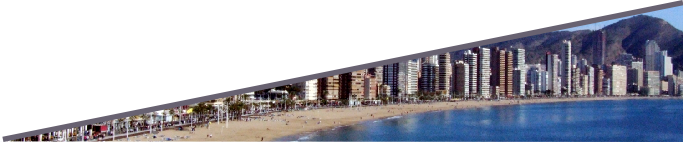














Salou has made it’s mark and consolidated it’s position as the leisure and service centre of the Costa Daurada. Salou offers a huge diversity in quality and quantity of it’s tourism facilities.
Mild temperatures all year round coupled with safe, shallow beaches, hidden coves of natural beauty. Places of historic interest, architecture and monuments. A variety of entertainment and leisure activities. Classy shops and restaurants have all helped to make Salou the Capital of the Costa Daurada earning it’s top rating for the Family Tourist Destination in Catalonia.
Brief History of Salou
With the subsequent arrival of the Saracens, the region became progressively less inhabited and was eventually abandoned. It was not until the middle of the 12th century, as a part of the Re conquest, that new attempts were made to resettle it. In 1194, a town charter was drawn up for Salou and bestowed by Alfons I the Chaste, upon Ximeno d’Artusell. The attempt, however, was unsuccessful.
The 13th century was marked by the conquests of King Jaume I, who, aware of the exceptional conditions of the natural port of Salou, concentrated the fleet there that, in 1229, would sail to take Majorca.
During the second half of the 14th century, living conditions in Salou became difficult. The war between Peter I of Castile and Peter of Aragon and continuous pirate raids led to another decrease in the population. In fact, it was to ensure the defence of the city’s people and goods against the endless attacks by privateers, that, in 1530, the Archbishop of Tarragona, Pere de Cardona, ordered the Old Tower, today an art centre, to be built.
Salou remained a part of the Tarragona prelacy until 1673, when the prelacy ceded certain rights to the nearby town of Vila-seca, thereby initiating a process through which Vila-seca would gradually come to possess Salou and its port. Needless to say, this led to multiple disputes with the neighbouring city of Reus.
In 1776, the Santa Maria del Mar Church was sanctified, a modest chapel used for worship by the sailors’ guild, which, from the middle of the century on, exercised exclusive control over port and fishing tasks.
1820, the Captaincy and the New Customs Building were built, but in November of the same year, a decree issued by the Constitutional Courts suppressed operation of Salou’s port. Despite the fact that the Lighthouse was inaugurated in 1858, the port’s decadence was already clear.
1863, the bath houses of the Ponent beach were authorised, and in 1865, operation of the railroad station began. In 1887, the Reus-Salou tram line, popularly known as the “carrilet,” was inaugurated.
In the twenties, construction of the modernist chalets along the Passeig Jaume I promenade was begun, and the first summer residents and tourists began to arrive.
In the 60s, Salou began a process of spectacular urban growth leading up to the current tourism phenomenon. 1965 saw the erection of the monument to King Jaume I, a veritable symbol of contemporary Salou.
In the 70s, an organised movement with wide popular support promoted the city’s municipal segregation, which culminated in the Supreme Court decision of 30 October, 1989, granting the nucleus of Salou administrative independence from Vila-seca and ordering the Catalonian Autonomous Government to recognise it as an independent municipality. Thereafter, Salou underwent its most significant urban and social transformation, with a drive to re-equip and renew the city’s services and large demographic growth.
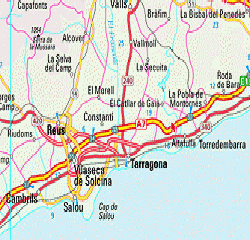

Salou
This and other Salou pages are available exclusively for
commercial advertising
At a very special low introductory price.
Please follow this link for further information.


| Benidorm Hotels |
| Fiesta |
| Links |
| Recommended cafe bars |
| Stalkers |
| George King |
| Chrissy Rock |
| Blanket Trip |
| Derren Litten |
| Affiliates |
| Places To Avoid |
| Julio Iglesias Park |
| Gay Benidorm |
| Holiday Travel Insurance |
| Essential Services |
| ResortHopper |
| Translator |
| Amazon |
| Alicante Airport Flight Information |
| sale thank you |
| News Feeds |
| Collision Of The Stars |
| Stars In Benidorm |
| Nightclubs |
| Benidorm Karaoke |
| Elvis in Benidorm |
| Nigel Reviews |
| Benidorm Hall Of Fame |
| Stars In Benidorm 2 |
| Stars In Benidorm 3 |
| Stars In Benidorm 4 |
| Stars In Benidorm 5 |
| Talk Of The Coast |
| The Town Nightclub |
| Valentines |
| Sandra's |
| Zodiac |
| Paladium |
| Stardust |
| Jail Rock |
| Bay City Rollers |
| The Beagles |
| The Maxx |
| Neil Ross |
| CheryleLouise |
| Harry Andrews |
| Stevie Nelson |
| Ricky Price |
| Ricky Lea |
| Ricky Dale |
| Cheroot |
| Abbafever |
| Asa Elliott |
| Exclusive Advertising |
| Get Listed On This Site |
| Your Own Site |
| Benidorm Hotels |
| Fiesta |
| Links |
| Recommended cafe bars |
| Stalkers |
| George King |
| Chrissy Rock |
| Blanket Trip |
| Derren Litten |
| Affiliates |
| Places To Avoid |
| Julio Iglesias Park |
| Gay Benidorm |
| Holiday Travel Insurance |
| Essential Services |
| ResortHopper |
| Translator |
| Amazon |
| Alicante Airport Flight Information |
| sale thank you |
| News Feeds |
| Collision Of The Stars |
| Stars In Benidorm |
| Nightclubs |
| Benidorm Karaoke |
| Elvis in Benidorm |
| Nigel Reviews |
| Benidorm Hall Of Fame |
| Stars In Benidorm 2 |
| Stars In Benidorm 3 |
| Stars In Benidorm 4 |
| Stars In Benidorm 5 |
| Talk Of The Coast |
| The Town Nightclub |
| Valentines |
| Sandra's |
| Zodiac |
| Paladium |
| Stardust |
| Jail Rock |
| Bay City Rollers |
| The Beagles |
| The Maxx |
| Neil Ross |
| CheryleLouise |
| Harry Andrews |
| Stevie Nelson |
| Ricky Price |
| Ricky Lea |
| Ricky Dale |
| Cheroot |
| Abbafever |
| Asa Elliott |
| Exclusive Advertising |
| Get Listed On This Site |
| Your Own Site |